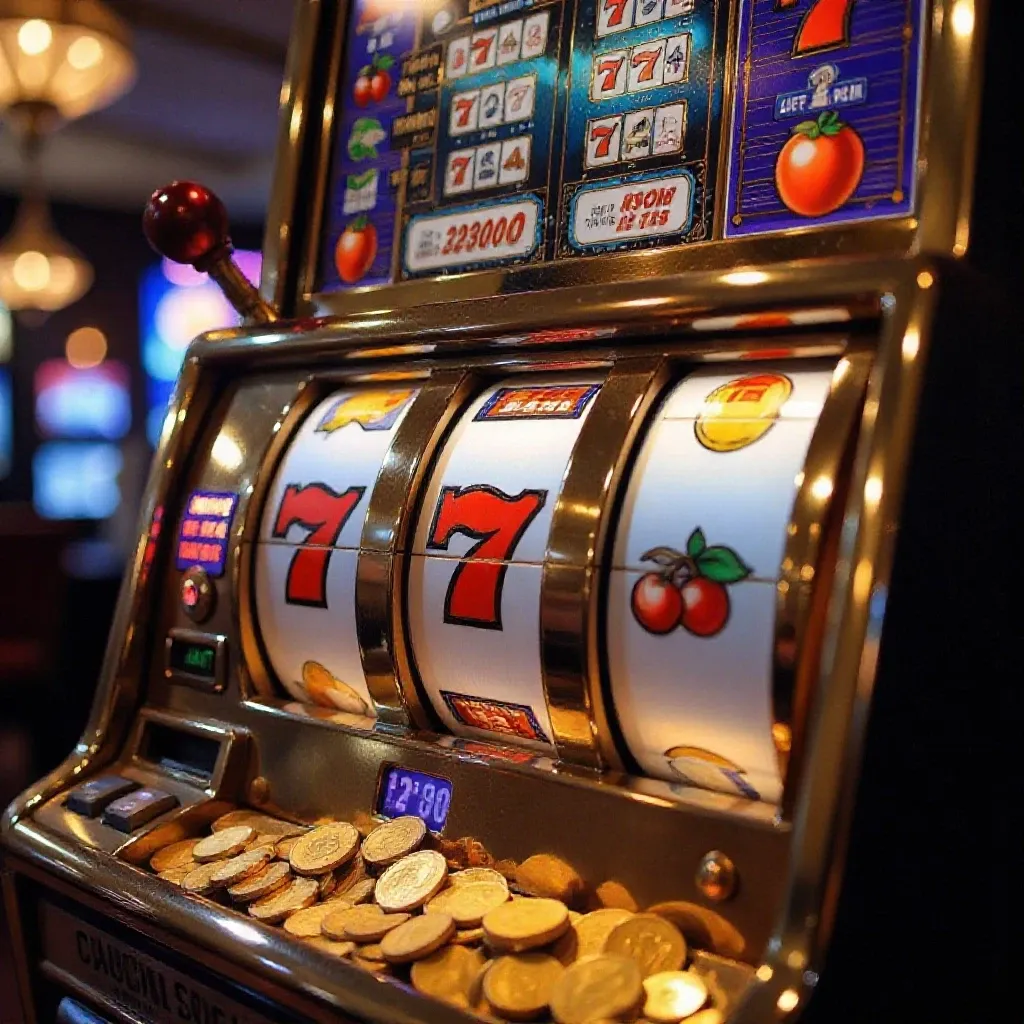
Slot machines. The flashing lights, the spinning reels, the tantalizing promise of a big win – they’re a fixture in casinos and online gaming platforms worldwide. These digital and physical devices generate billions in revenue annually, captivating players with their simplicity and the illusion of control. But behind the bright facade lies a complex web of psychological principles meticulously designed to keep players engaged, often blurring the line between harmless fun and compulsive behavior.
This article is designed to cut through the noise and delve into the captivating psychology of slot machines. Think of it as a guided tour behind the scenes, exploring the elements that make these games so compelling, and more importantly, understanding the subtle ways they can influence our decisions. We will explore the specific psychological triggers slot machines exploit. It’s about demystifying the mechanics of chance and empowering ourselves with knowledge about the science that underlies the thrill of the game. It’s a journey into the heart of the game, where entertainment meets risk, and understanding is the ultimate prize.
The Basic Psychology of Rewards
At the heart of understanding why reward systems are so captivating lies the basic science of operant conditioning. This psychological framework explains how we learn through consequences – associating actions with either positive or negative outcomes. It’s a fundamental aspect of how our brains are wired, driving us to repeat behaviors that lead to desirable results.
The brain’s reward system is primarily fueled by dopamine, a neurotransmitter often associated with pleasure. However, dopamine’s role is more nuanced than simply signaling enjoyment. It’s more accurately described as a motivator, a “wanting” signal that propels us to seek out and engage in activities we anticipate will be rewarding. When we experience something pleasurable, like receiving a compliment or achieving a goal, dopamine is released, reinforcing the behavior that led to that outcome. This creates a feedback loop, strengthening the connection between the action and the reward and making us more likely to repeat the action in the future.
Interestingly, the predictability of rewards plays a crucial role in how effective they are. While consistent rewards can be effective in establishing a behavior, they can also become expected and lose their motivational power. It’s the unpredictability of rewards that truly grabs our attention and keeps us engaged. When we don’t know when or how a reward will arrive, it creates a sense of anticipation and excitement, further amplifying the dopamine response and fueling our desire to pursue it.
Variable Reinforcement Schedules
One of the most potent applications of reward psychology is the concept of variable reinforcement. Unlike fixed rewards, where the outcome is consistent and predictable, variable reinforcement introduces unpredictability. This means the reward is not delivered after every instance of a behavior, but rather after an inconsistent number of responses or varying time intervals.
A classic example of variable reinforcement in action is the allure of slot machines. These devices operate on a carefully calibrated system of payouts with different probabilities of winning and varying prize sizes. The individual pulling the lever never knows when the next payout will occur or how big it will be. This fosters a state of heightened anticipation and encourages persistent engagement, even in the face of repeated losses. The possibility of a big win, however infrequent, is enough to sustain behavior.
Psychologists have consistently demonstrated that variable reinforcement schedules are remarkably effective in maintaining behavior. Compared to fixed rewards, they are more resistant to extinction, meaning the behavior persists for a longer period even when the rewards eventually cease. This explains why activities governed by variable rewards, such as games of chance, can be so addictive and difficult to disengage from.
Key Psychological Principles at Play
Slot machines are engineered to exploit specific psychological principles, creating a highly engaging, and sometimes addictive, experience. Understanding these principles can shed light on why these games are so captivating.
One core element is the illusion of control. Players often develop a sense that they have more influence over the game’s outcome than reality dictates. This might manifest as believing that pressing the spin button with a certain force, or at a specific moment, can impact the result. In reality, slot machines use random number generators, ensuring each spin is independent and unpredictable. Yet, the feeling of control persists, driving continued play.
Another powerful factor is loss aversion. This is the tendency to feel the pain of a loss more acutely than the pleasure of an equivalent gain. For example, the disappointment of losing $10 feels stronger than the satisfaction of winning $10. Slot machines capitalize on this by presenting losses disguised as “near wins,” or by offering frequent small wins that keep players engaged even as they slowly lose money. These small wins provide an illusion that helps gamblers to continue playing longer.
Beyond these, various cognitive biases come into play. These are systematic patterns of deviation from norm or rationality in judgment. These biases can lead to irrational decisions and contribute to the addictive nature of slot machines.
The Gambler’s Fallacy
The gambler’s fallacy is a prime example of a cognitive distortion at work. It’s the mistaken belief that if something happens more frequently than normal during a given period, it will happen less frequently in the future, or that if something happens less frequently than normal during a given period, it will happen more frequently in the future. In the context of slot machines, this leads players to believe that after a series of losses, a win is “due,” or that a machine that hasn’t paid out in a while is “ready” to hit. This is false because each spin is a completely independent event governed by randomness. The odds remain the same regardless of past outcomes. It’s a classic example, but the gambler’s fallacy consistently trumps logical probability, compelling players to make irrational bets.
Near Misses and Their Effect
A key feature used to encourage players are near misses. These are instances where the reels almost align for a winning combination, creating a sense that the player was close to winning. For example, two cherries might line up on the payline, with the third cherry just above or below. While technically a loss, the outcome still provides a small jolt of excitement and anticipation. As a gambler, I’ve definitely experienced the frustration of a near miss and the almost irresistible urge to spin again, convinced that the next time will be the winning one. These near misses trigger the release of dopamine in the brain, the same neurotransmitter associated with reward and pleasure. This reinforces the behavior and creates a powerful psychological pull, keeping players hooked even when they are losing money. Near misses are very good at doing their job.
Sensory Overload and Immersion
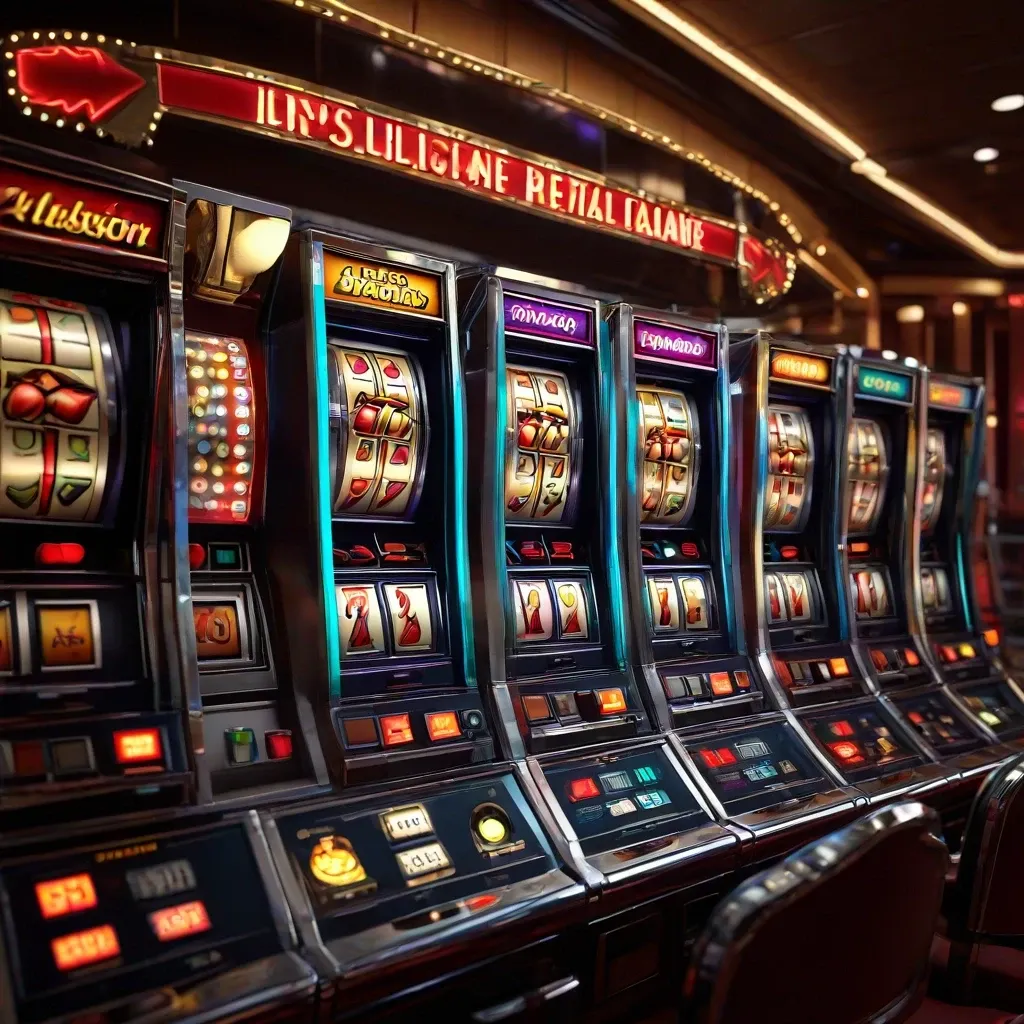
The allure of slot machines extends far beyond the simple mechanics of spinning reels. Casino floors are carefully orchestrated environments, designed to stimulate the senses and create a powerful sense of immersion. Bright, flashing lights dance across the machines, drawing the eye and creating a vibrant, energetic atmosphere. Engaging sounds, from the cheerful chimes of a small win to the triumphant fanfare of a jackpot, fill the air, heightening the excitement. Modern slot machines often feature immersive graphics, elaborate animations, and even 3D elements, further captivating the player and blurring the line between reality and the game.
This sensory bombardment is not accidental. It’s meticulously planned to create a feeling of escapism and heightened anticipation. The combination of lights, sounds, and visuals is designed to trigger the brain’s reward centers, leading to a feeling of pleasure and encouraging continued play. The overall goal is to create an experience that is almost hypnotic, drawing players deeper into the game and making it harder to walk away. The sensory elements are combined with a user-friendly experience so as not to frustrate the user, achieving maximum stimulation and, therefore, immersion.
The Psychology of Sound
Sound plays a crucial role in shaping the player’s perception of their slot machine experience. The sounds used in slot machines are carefully designed to elicit specific emotional responses. The celebratory sounds of a win, no matter how small, trigger a release of dopamine, reinforcing the behavior and encouraging the player to keep spinning. This positive feedback loop can be incredibly powerful; It’s easy to be carried away by such an experience.
Interestingly, even the sounds associated with near-misses or small losses are designed to be subtly encouraging. These sounds often mimic those associated with winning, creating a sense that a larger payout is just around the corner. Game designers are aware of the sound’s ability to alter perception, so these are produced carefully and with great intention. All sounds are, in effect, a subtle suggestion to “try again,” keeping players engaged even when they are not actively winning. The overall intention is to keep the player in a prolonged and consistent state of anticipation.
The Addictive Nature of Slot Machines
Slot machines, with their flashing lights and alluring sounds, can be deceptively addictive. What starts as harmless fun can quickly spiral into problem gambling, a behavioral addiction characterized by compulsive behavior despite negative consequences. Unlike substance abuse, gambling addiction centers around the process of gambling itself, triggering reward pathways in the brain similar to those activated by drugs or alcohol.
Several factors contribute to the addictive nature of slot machines. Their accessibility, requiring minimal skill, makes them appealing to a wide range of people. The fast-paced nature of play and the potential for large, albeit infrequent, payouts create a sense of excitement and anticipation. The near misses, where the reels almost align for a win, can be particularly reinforcing, fueling the illusion of control and encouraging continued play. Certain individuals are more vulnerable, including those with pre-existing mental health conditions like depression or anxiety, a family history of addiction, or impulsivity issues. Compulsive behavior can quickly take hold.
A common misconception is that gambling addiction only affects individuals who are weak-willed or irresponsible. However, it’s a complex condition influenced by a combination of biological, psychological, and social factors. Anyone can be susceptible, regardless of their background or socioeconomic status.
Identifying Problem Gambling
Recognizing the warning signs of problem gambling is crucial for early intervention. Red flags include chasing losses, where individuals attempt to win back money they’ve lost by gambling more; gambling with money needed for essential expenses like rent, food, or bills; and lying to family and friends about gambling habits to conceal the extent of the problem. Other symptoms include feeling restless or irritable when trying to cut down or stop gambling, preoccupation with gambling, and relying on others to bail them out of financial difficulties caused by gambling. These behavior patterns can quickly turn into addiction.
Setting Limits and Sticking to Them
Entering the world of slot machines can be thrilling, but it’s vital to establish boundaries before you even spin the reels. Setting time and money limits is the first defense against potential problems. Decide beforehand how much you’re willing to spend and, crucially, accept that amount as your entertainment budget – gone once it’s gone. Similarly, allocate a specific time for playing. Once that clock runs out, step away, win or lose.
The real challenge, of course, is sticking to these self-imposed rules. Use tools like timers and budgeting apps to keep you on track. When you reach your limit, resist the urge to keep playing “just one more time.” Remember, the house always has an edge, and chasing losses almost always leads to bigger losses. Treat slot machines as a form of entertainment, not a source of income, and you’ll be better equipped to enjoy them responsibly.
Conclusion
In summary, the allure of slot machines is deeply rooted in psychological principles like variable rewards, the illusion of control, and cognitive biases. These elements combine to create a highly engaging, and potentially addictive, experience. Understanding these mechanisms is the first step toward responsible gaming.
By recognizing the tricks our minds can play, individuals can make more informed choices about their gambling habits. Remember, the odds are always in the house’s favor, and chasing losses can lead to a dangerous cycle. Responsible gaming involves setting limits, understanding the risks, and recognizing when to stop.
If you or someone you know is struggling with problem gambling, numerous resources are available. Don’t hesitate to seek help. Problem gambling is a serious issue, but recovery is possible with the right support.